From Saadi’s Bustan
A Weekly Poem from 13th Century Iran
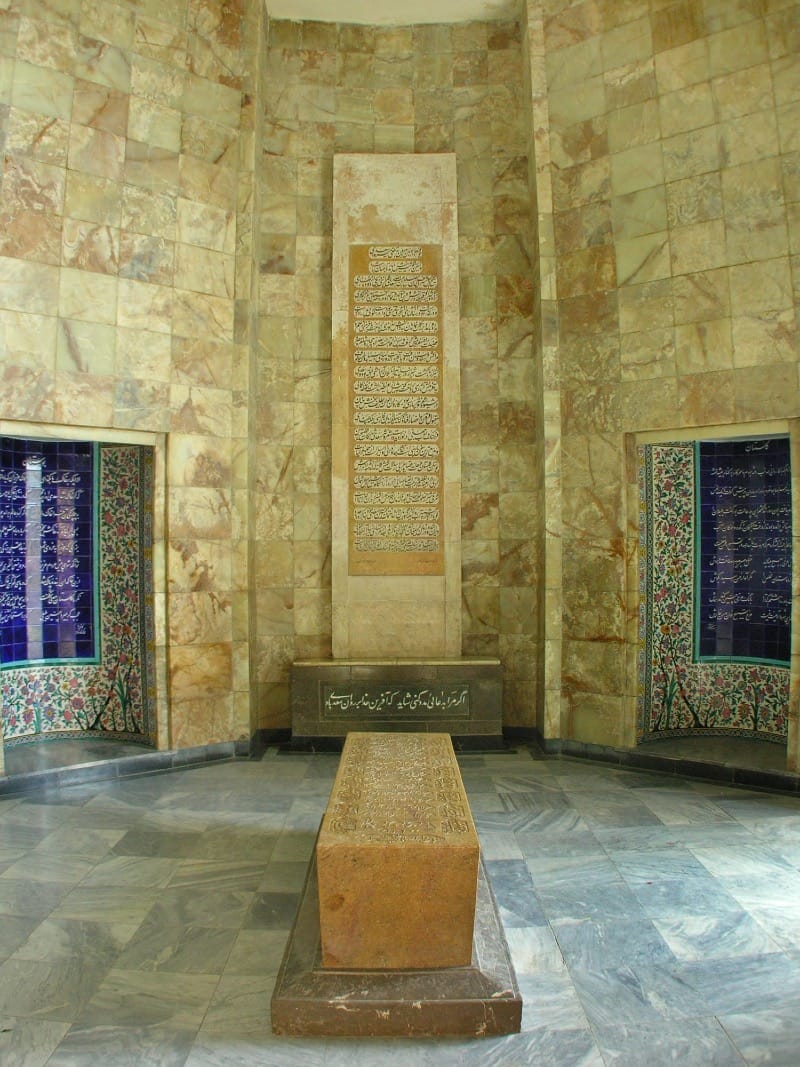
As you know, I have published several books of translations of classical Persian poetry, among them Selections from Saadi’s Bustan. Saadi, a 13th century poet from the city of Shiraz, is among the most important writers in the Persian literary canon, and his work has been translated into many languages worldwide. In light of the damage already done to some of Iran’s most important cultural and historical sites, and since Iran itself is likely to remain contested territory in people’s imaginations for the foreseeable future, even after the current hostilities end, I thought it would be worthwhile to share with you a part of Iran’s rich literary history that most people don’t know about, but that is certainly worth knowing. (I am writing more extensively on a specific connection between Saadi’s Bustan and United States culture in the series “On The Trail of a Tale: Benjamin Franklin’s Persian Parable.” Parts 1 and 2 have already been posted. Part 3 will post on April 3rd and Part 4 is coming in May.)
§§§
Bustan is divided into ten chapters, the first of which deals with the question of what it means to be a just ruler. This poem, which serves as the chapter’s prologue, contains an irony that would have been known to Saadi’s readers but that is lost unless you know a bit of history. Nushirvan was popularly known as a good and just king, while his son Hormuz had just the opposite reputation. After this selection from Bustan, I’ve included my versions of two stories from another of Saadi’s works, Golestan, that illustrate the difference between the kind of ruler each man was understood to be.
I’ve heard that Nushirvan with his last breaths
advised his son Hormuz on how to rule:
“Guarantee your poorest subject’s comfort;
do not permit your own comfort to bind you.
None who call your kingdom home will live
at ease, if ease is all you choose to live for.
No judge will find a shepherd innocent
who slept and let the wolf among the sheep.
Be vigilant! Protect the poor and needy;
the crown you wear you wear because of them.
The peasants are the roots, my son; the king,
the tree that needs the roots to give it strength.
Do your best to keep from hurting them;
to hurt them is to dig up your own roots.
If you wish to set your feet upon The Path,
let the pious lead you through Hope and Fear.
A man who fears evil and hopes for good
becomes a man whose wisdom is innate.
If you find a king with both those attributes,
you’ll find his realm secure, his people safe.
To those who hope he offers his indulgence,
hoping God will be indulgent too.
He sees no joy in other people’s pain,
fearing pain will spread throughout his realm.
A king who lacks these traits will rule a realm
lacking the peaceful life that people seek.
If you are hobbled, accept it as your fate,
but if you gallop freely, go where you will.
You’ll never have the room you need to run
in a kingdom where the king abuses power.
Fear the bold and proud among your subjects,
but fear as well the ones who don’t fear God.
A king who lays waste to his people’s hearts
will see his kingdom flourish in his dreams.
Tyranny leads to ruin and a ruined name;
a prudent king will take full measure of these words.
Your people shelter and support your rule,
so don’t kill anyone without just cause.
See to the comfort of those who tend your land;
their happiness will mean a greater yield.
Repay with evil the good someone does you
and you unman yourself in public view.
This is how I heard the story: The hunting party had stopped
to eat, but there was no salt to season the meat they were roasting for Nushirvan, and no one wanted to serve him an improperly seasoned meal. So they sent one of the boys who was with them to get some salt from a nearby village. Before the boy left, however, Nushirvan told him, “Make sure you pay for what you take. Otherwise, the village will be ruined.” Surprised and more than a little incredulous, those who were standing nearby asked how such a simple thing as bringing some salt to the king could have such profound consequences. Nushirvan replied, “When the world began, oppression was a small hut that few people entered, but as more and more people chose to go inside, they built it up, and look how high it reaches now.”
To please the king who eats a single apple
from a subject’s garden, his slaves will pull
the tree up whole to plant in the palace yard;
and if he lets five eggs be taken by force,
his army will commandeer a thousand birds.
Tyrants die. The curses on them do not.
When he was asked what crime his father’s viziers had commit-
ted, Hormuz replied, “None. I put these men in jail because they feared my power without respecting it. I knew that to protect themselves from the capriciousness they saw in me and the harm they thought might come to them because of it, they might try to kill me. So I had no choice. I took the advice of the sages, who said:
The power to wipe out a hundred men
should not replace your fear of one who fears you.
Watch when a cat is fighting for its life;
it plucks the tiger’s eyes out with its claws.
To stop the stone the shepherd might throw down
to crush its head, the viper bites, and lives.
It All Connects is for anyone who grapples with complexity—of identity, art-making, culture, or conscience—to make a difference in their own life and, potentially, in the life of their community.




Member discussion