From Saadi’s Bustan: Darius and His Herdsman
A Weekly Poem from 13th Century Iran
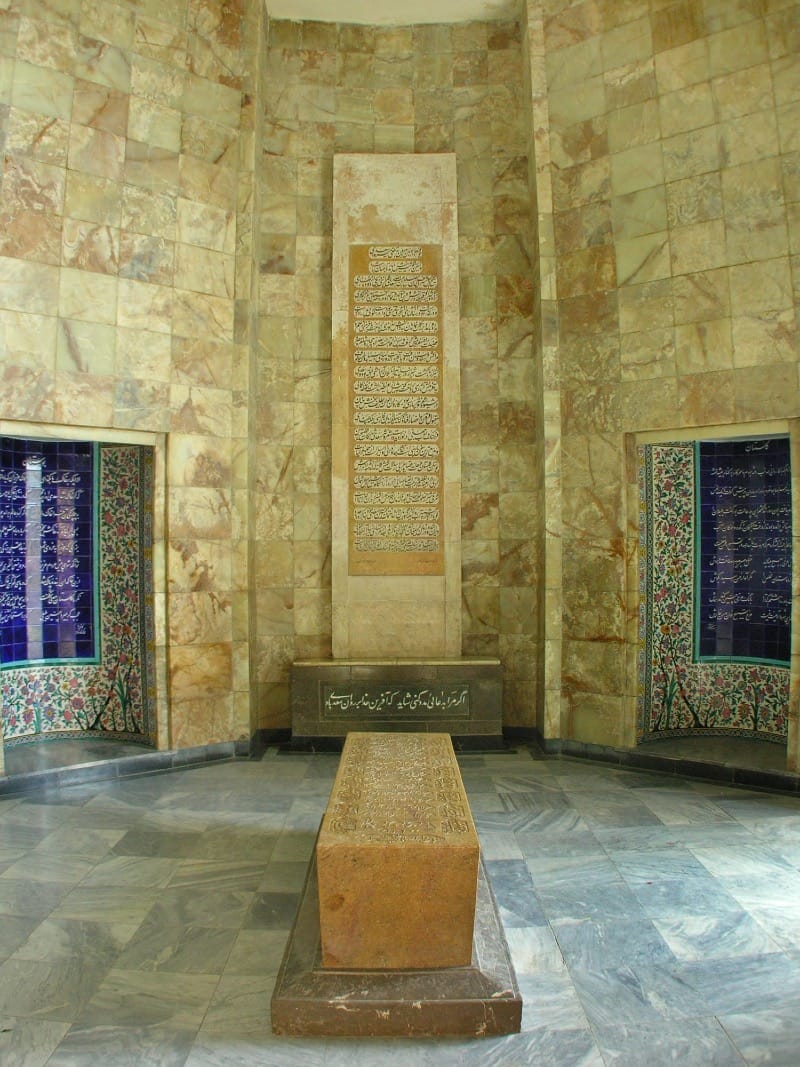
Dear Friends,
As I said last week, when I posted Saadi’s poem about Nushirvan’s advice to his son Hormuz, I have decided to post a poem a week from my Selections from Saadi’s Bustan as a way of making Iran’s culture and literary history visible at a time when that visibility seems more important than ever. The versions I am posting here, however, are updated revisions of the ones in that book. They correct errors rooted mostly in the archaisms and compression that G. M. Wickens employed in his 1974 translation. How it is that I came to produce these translations in the first place is a story that I will tell next month in the final installment of the series I am calling “On The Trail of a Tale,” which tells the story of how a poem from Bustan became Benjamin Franklin’s Parable Against Persecution. You can read the first three parts of that series here: Part 1, Part 2, Part 3.
I’ve heard that Darius, whose lineage
is blessed, wandered off alone while hunting.
A herdsman running towards him caught his eye.
The king, whose faith was blessed as well, wondered,
“Maybe this man’s looking for a fight.
From here, I’ll nail him to the ground with this.”
He placed a poplar arrow in his bow,
preparing to erase the man’s existence.
“Lord of Iran and Tur,” the man cried out.
“May the evil eye never fall upon you.
I’m your stable master come to serve you.”
The intent to kill drained from the king’s heart.
“You were a fool to run at me like that,”
he smiled. “A hallowed angel rescued you.
I’d brought the bowstring nearly to my ear.”
The stable master also smiled, saying,
“Because you’ve treated me so well, I won’t
withhold advice from you that you should hear.
Our battle-readiness deserves no praise,
nor does it demonstrate judiciousness,
when the king confuses enemy and friend.
This is the burden your position carries:
to recognize at once each one who serves you.
You’ve seen me many times at court, and we
have talked about your horses and their grazing,
but now, when I have rushed with love to hunt
with you, you see in me a mortal danger?
If you ask me, O my king, I can bring
from a herd of one hundred thousand horses
the single beast you want to ride that day.
That kind of knowledge drives my herdsmanship.
Tend your own flock with as good an eye!
Disorder will bring ruin to this land
if the emperor can’t outthink a shepherd.”
§§§
It’s worth remembering that Saadi wrote Bustan for his royal patron and that there was an inherent risk in presuming to give advice to that patron at which the patron might take offense. Saadi was a courageous writer in this regard. I wrote a little bit about that in a post called “The Kind of Courage These Times Call For.”
It All Connects is for anyone who grapples with complexity—of identity, art-making, culture, or conscience—to make a difference in their own life and, potentially, in the life of their community.




Member discussion