From Saadi’s Bustan: Takla Is Deterred From Abdication
A Weekly Poem from 13th Century Iran
Dear Friends,
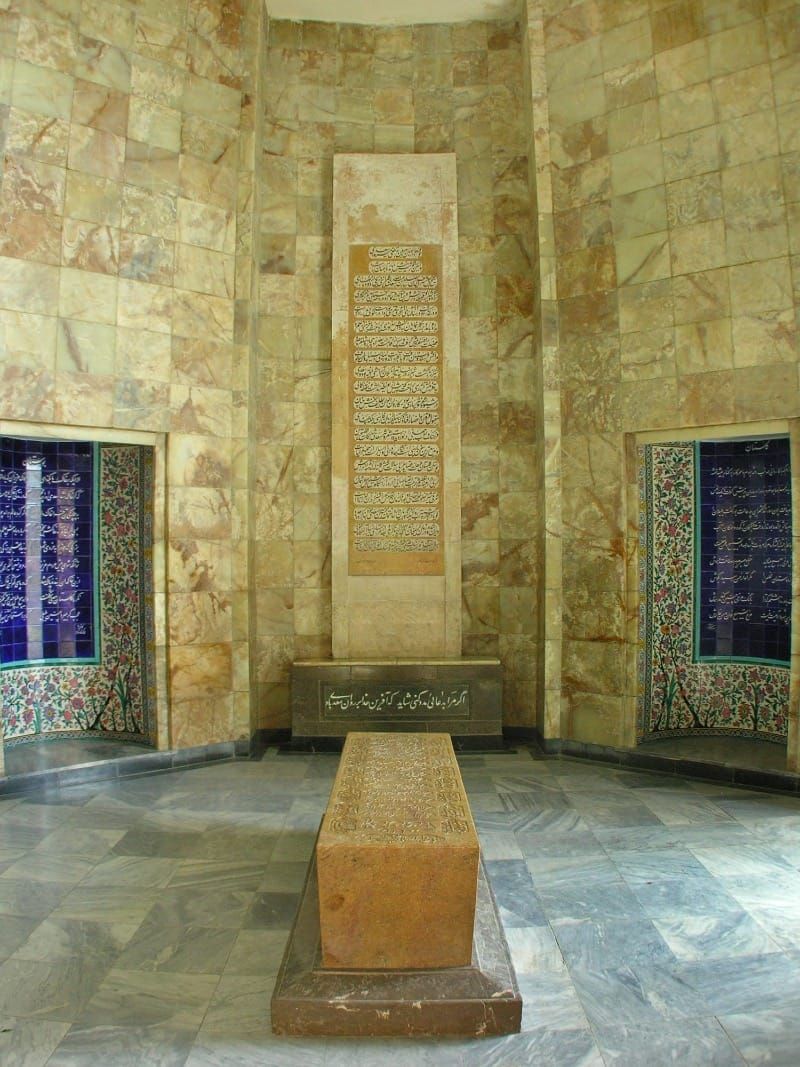
I am posting these translations—revised versions of those included in my Selections from Saadi’s Bustan—as a way of making Iran’s culture and literary history visible at a time when that visibility seems more important than ever.
In stories they tell of kings from long ago,
it’s said that when Takla assumed the Zangi throne,
his rule was marked by peace among his subjects.
For that alone he’s worthy of renown.
Still, he once confided to a man of heart,
“My end is near and I’ve nothing to show.
I want to sit in solitary worship
and redeem whatever days I might have left.
Crown, kingdom, status—all will fade.
Only a pauper leaves this world a king.”
At Takla’s words, the enlightened one responded,
standing to his full height. “Takla! Enough!
Service, the road you’re on, is the one you seek,
not the prayer mat, tasbih, or darvish robes.[1]
Stay seated on your throne; don’t end your reign.
In selfless rule you’ll find the poverty your seek.
Arm yourself with sincerity and truth!
Keep your tongue from vanity and pretense!
The way requires footsteps, not your words;
otherwise, your words will find no footing.
The truly great, whose purity was wealth,
wore their darvish robes beneath their clothes.”
In a world that seems more and more troubled by disruption, It All Connects is where I work out for myself how to live in, with, and through the identities that define me.




Member discussion