In a world that seems more and more troubled by disruption, It All Connects is where I work out for myself how to live in, with, and through the identities that define me.
Poetry saved my life is not quite what I mean when I say it’s been a home for me, but both are true.
“...The eternal whispering of the kettle
would have kept us awake if our beds had let us
sleep, duvets rapunzelling out of windows, but still
the oven and the fridge carried on their terrible dance,
gleaming metal against metal, souvenir magnets
of theme parks clashing with haiku fragments
and handwritten notes. So long as we carried on
shopping we felt safe, our arms lengthening
with the weight of all those bags, until it stopped,
suddenly, one day, a truce made somewhere...”
—from “Fixtures and Fittings," by Sarah Salway, published in Poetry Wales
A Cautionary Tale
Two Khorasani dervishes were traveling together. One of them, because he fasted for two days at a time, was weak. The other ate three meals a day and was correspondingly strong. They came to a town where they were arrested at the gates on suspicion of spying. Their captors threw them into separate cells, the doors of which were then walled up with mud bricks. The dervishes’ innocence was not proven until two weeks later, but when the doors were opened, the stronger man was discovered to have died, while the weak man had survived.
The townspeople were surprised, but a wise man among them pointed out that the opposite circumstance would have been even more surprising. The one who’d eaten three meals a day died because he lacked the wherewithal to withstand the hunger his captivity forced upon him. The weaker dervish survived because his habit of fasting prepared him for that hunger.
A man whose appetite is very small
will not be overwhelmed by any hardship,
but a man who thinks that eating signifies
his wealth—if hardship overtakes him, he’ll die.
—from Golestan by Saadi of Shiraz, translated by Edward Rehatsek and Richard Jeffrey Newman
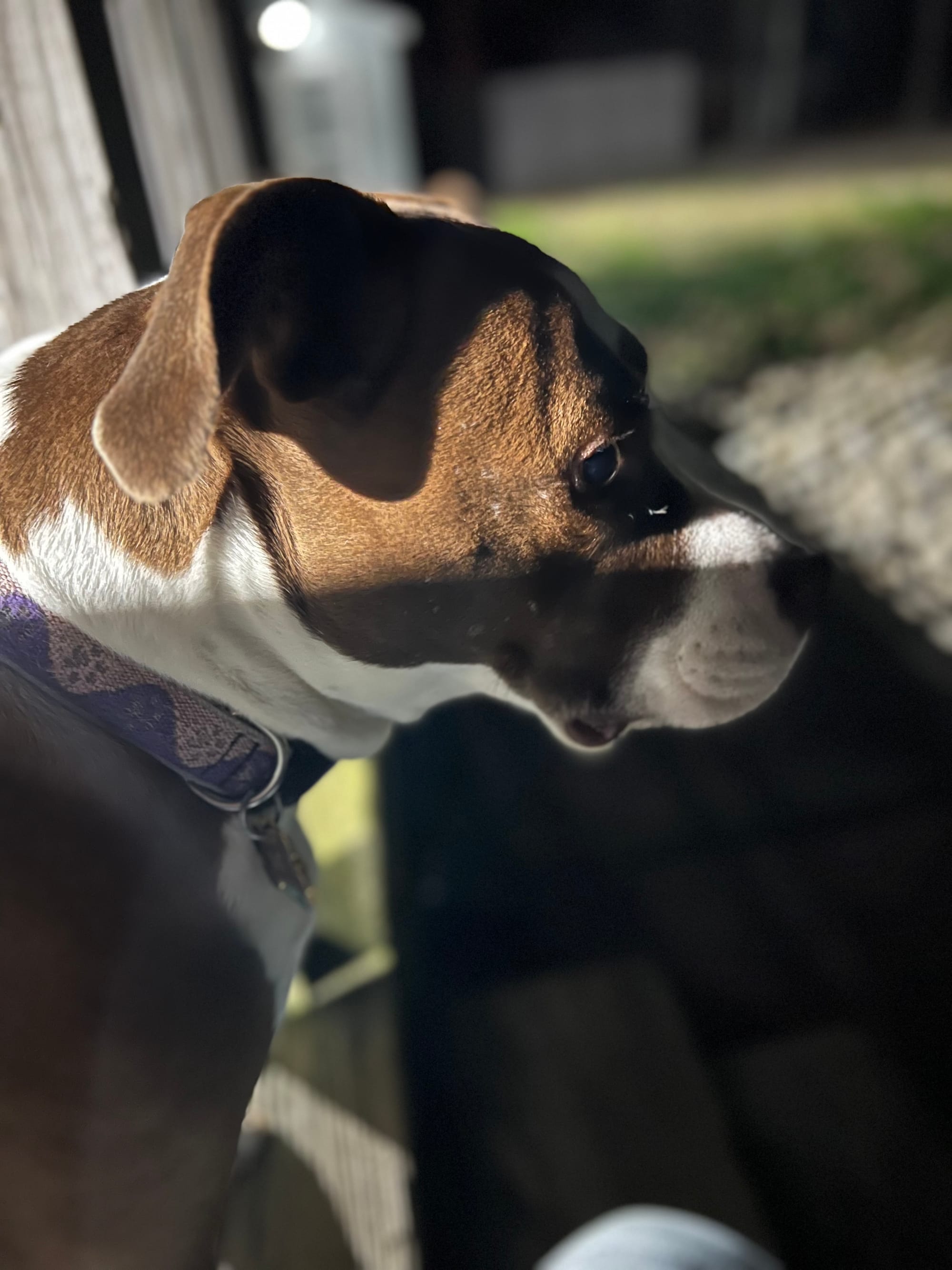
My Father’s Day gift!


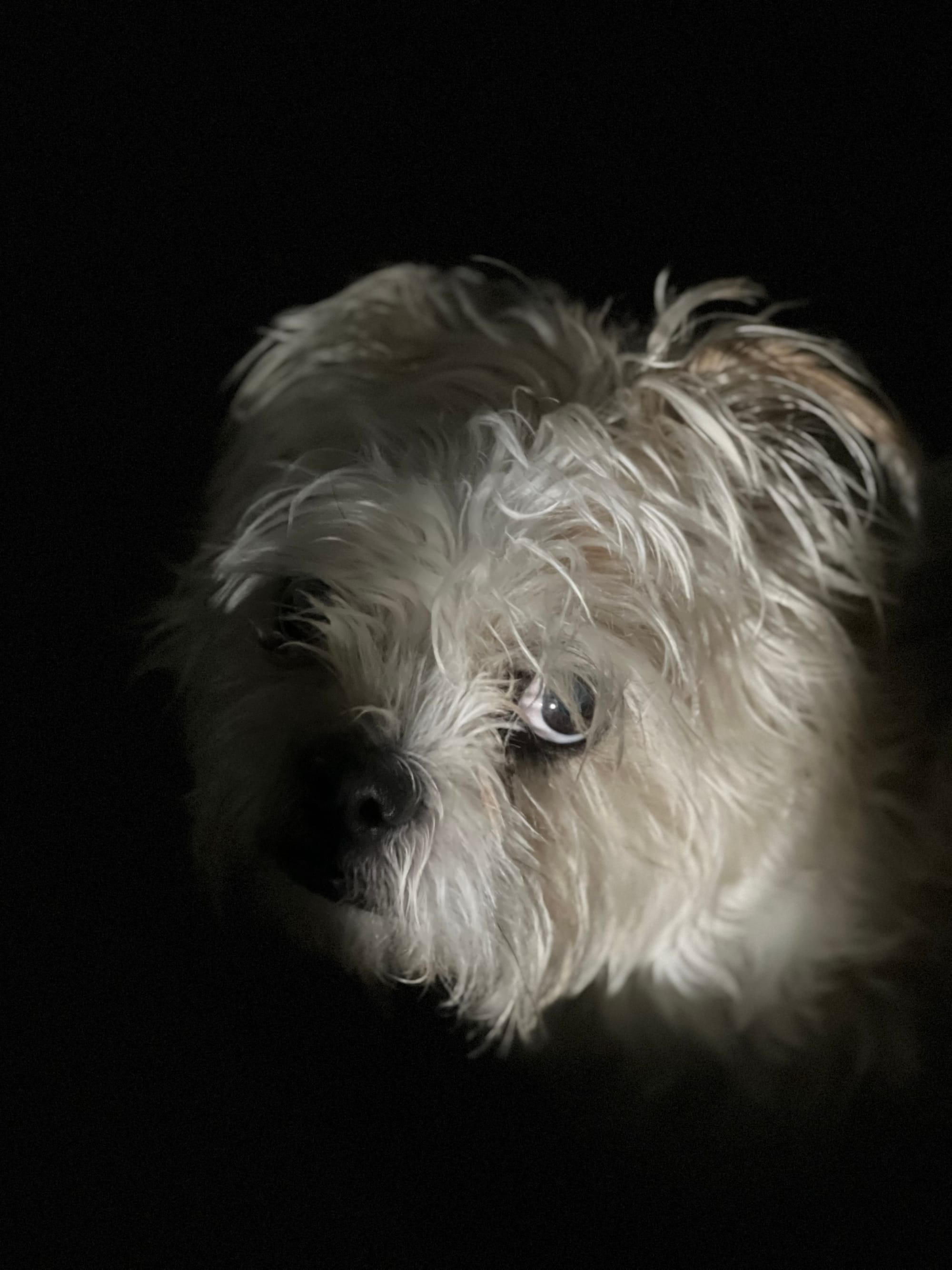
Gypsy and Archie at night.
The student to whom you gave an incomplete in good faith because they really were confronted with serious difficulties at the end of the semester, and seemed very serious about completing the work they were unable to do, who then tries to get over on you with a paper written by an AI that was not “smart enough” not to invent quotes and poems that do not appear in the text you assigned.
Preamble
We are starting to roll. We are coming to you
through the internet. And when the weather is right,
masked, we are coming to your door. We will ring
the bell, then step back six feet and wait for you
to pick up the leaflets we have left in your mailbox.
And we will wait for you to open them up and look
over at us and ask, why did you take so long...as you
tell us that you have had your bag packed but
you will not go anywhere except to the ballot box.
Not now. The current occupant has gone too far,
broken every rule and every dream. And we are
going to post them back, on the walls, on columns,
and in the official residence of our dreams, the house
of the people we will rescue at 1600 Pennsylvania Avenue.
—Indran Amirthanayagam, from Ten Thousand Steps Against The Tyrant
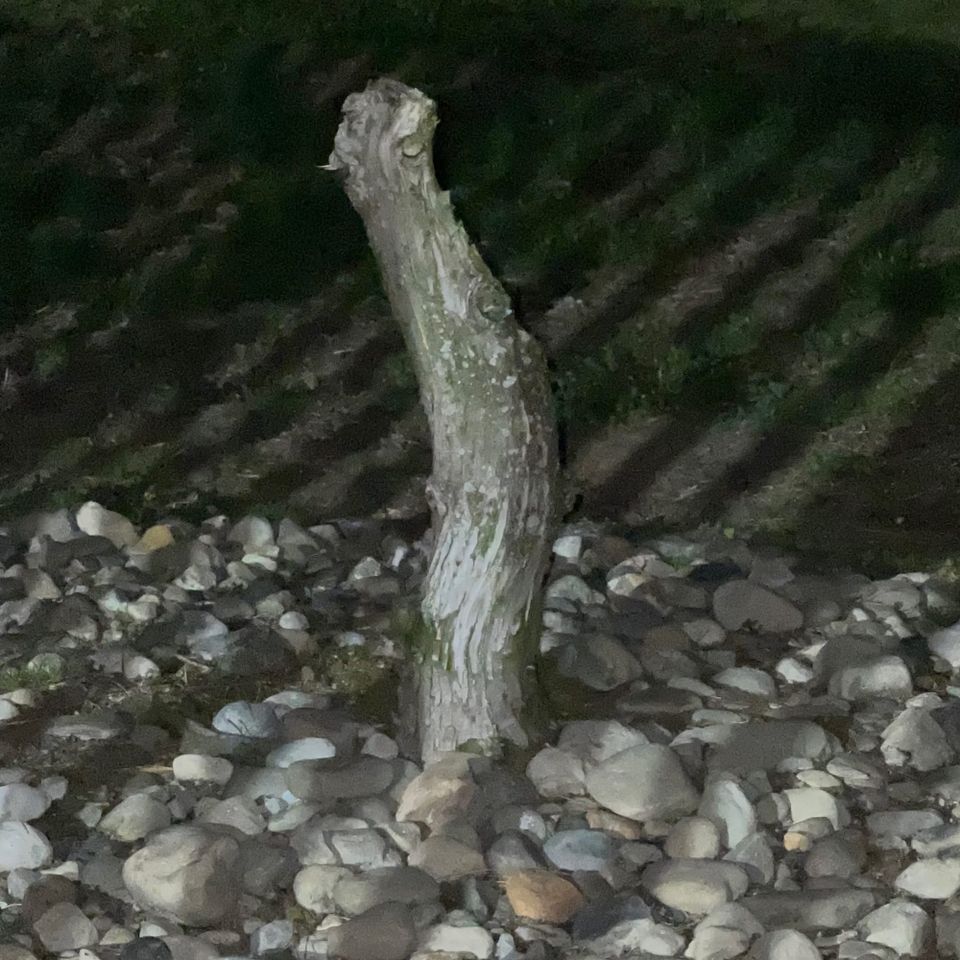
The morning view from my window...
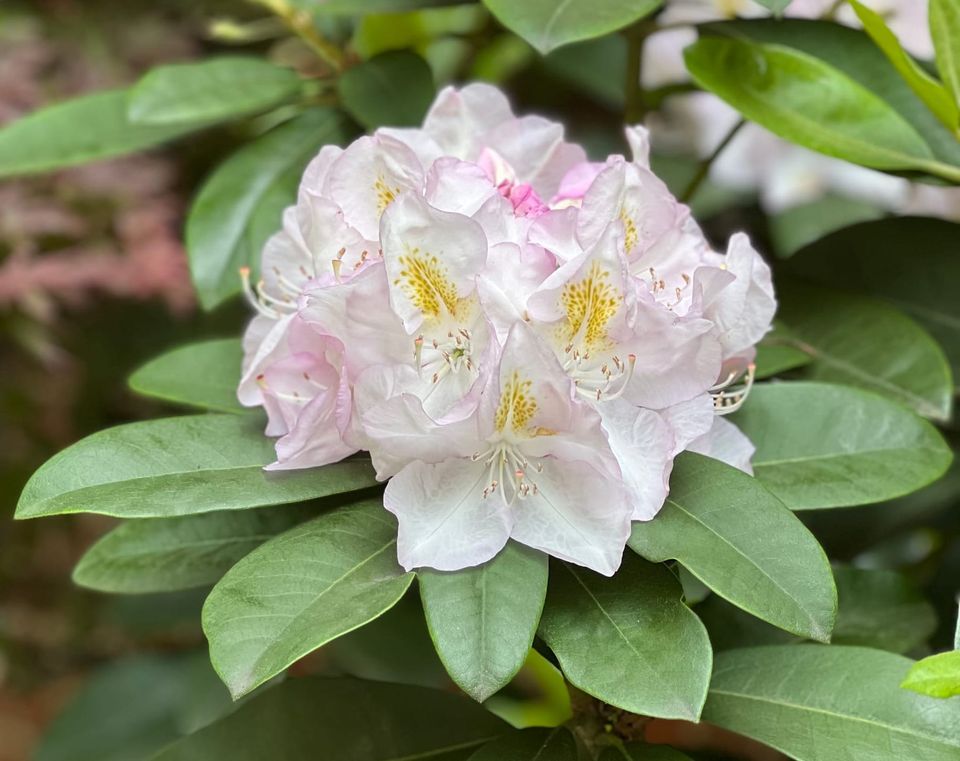
Once upon a time...

A memoir is a representation of the author's encounter with memory. It is a compromise with the demands of narrative and that medium we call a book. It is less a record of the past than the record of a sustained questioning, reflective authorial inquiry.
—Richard Hoffman, “Backtalk and Backlash: The Aims, Impact, and Value of Memoir,” in Remembering The Alchemists