From Saadi’s Bustan: A Ghūrid Tyrant Reformed by A Courageous Peasant
A Poem from 13th Century Iran
From Saadi’s Bustan: The Selfish Man and the Baghdad Fire
A Weekly Poem from 13th Century Iran
From Saadi’s Bustan: A Noble Man Suffers With The Victims of a Famine
A Weekly Poem from 13th Century Iran
From Saadi’s Bustan: The Hermit Theophilus and the Tyrant
A Weekly Poem from 13th Century Iran
From Saadi’s Bustan: The Emperor of Rum Enjoined to Endure His Burdens
A Weekly Poem from 13th Century Iran
From Saadi’s Bustan: Takla Is Deterred From Abdication
A Weekly Poem from 13th Century Iran
From Saadi’s Bustan: Umar Ibn Abd al-Aziz Sacrifices A Jewel To Help the Starving
A Weekly Poem from 13th Century Iran
From Saadi’s Bustan: Darius and His Herdsman
A Weekly Poem from 13th Century Iran
From Saadi’s Bustan
A Weekly Poem from 13th Century Iran
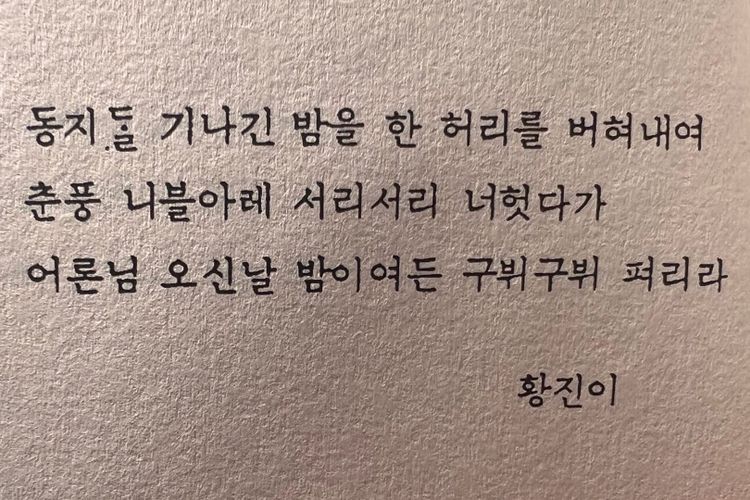
On My Desk Now: Translating Korean Poetry
I’ve had an interest in translating poetry for as long as I can remember. As an undergraduate, I was